Famous casinos that shaped the gambling landscape globally
The Birth of Casino Culture
The modern casino, as we know it today, has its roots in Europe, specifically in Italy during the 17th century. The first official casino, the Ridotto, opened in Venice in 1638, providing a controlled environment for gambling. This establishment laid the groundwork for the casino experience, attracting wealthy patrons eager to test their luck. The exclusivity and opulence of the Ridotto set a standard for future casinos, emphasizing the importance of ambiance and decor. Additionally, players now have the chance to explore online poker sites, making gambling accessible in new ways.
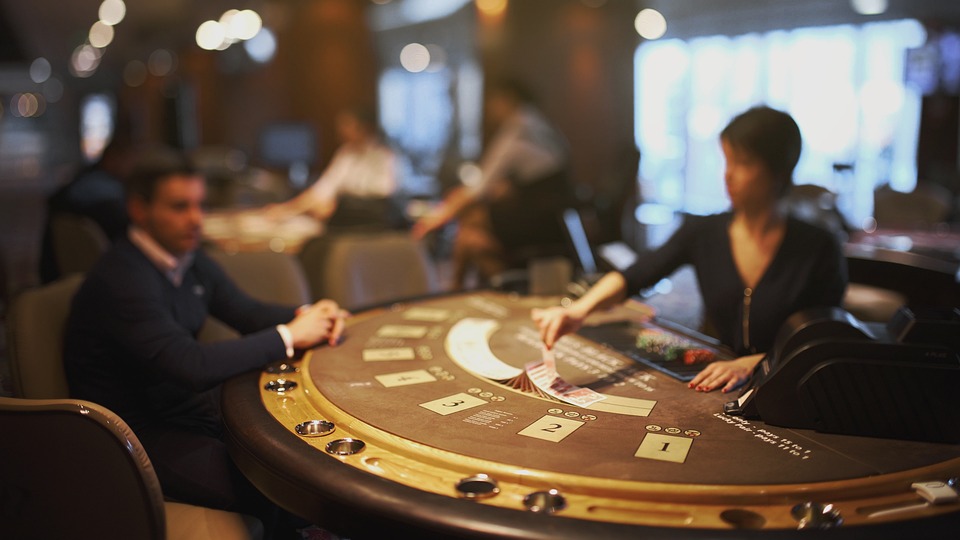
As gambling spread throughout Europe, various countries began to establish their own casinos, each reflecting local customs and styles. For example, France introduced the concept of the “casino” as a public space for entertainment beyond gambling. This evolution marked a significant turning point in how people perceived and engaged with gambling, making it a social pastime.
Las Vegas: The Capital of Gambling
No discussion of influential casinos is complete without mentioning Las Vegas. The city transformed the gambling landscape in the mid-20th century by creating a unique blend of entertainment, luxury, and gaming. The opening of the Flamingo in 1946 marked a shift towards resort-style casinos that offered not only gaming options but also fine dining, live entertainment, and lavish accommodations.
The development of iconic casinos such as The Mirage and Bellagio further solidified Las Vegas’s status as the premier gambling destination globally. These establishments incorporated cutting-edge designs and advanced technology, enhancing the overall gaming experience and attracting millions of tourists each year. Las Vegas has become synonymous with gambling, influencing casino developments worldwide.
Macao: The Rising Star of Gambling
Macao, often referred to as the “Gambling Capital of the World,” has rapidly ascended to become a significant player in the global casino market. With its first casino, the Casino Lisboa, opening in the 1960s, Macao has since expanded tremendously, with developments such as The Venetian Macao and City of Dreams. These properties feature massive gaming floors and lavish amenities that rival Las Vegas.
The unique blend of Chinese culture and Western gambling practices makes Macao a distinctive destination for high rollers. Its rapid growth has reshaped the gambling industry, emphasizing the importance of catering to both local and international markets. As a result, Macao has influenced casino designs and operational strategies worldwide.
The Influence of European Casinos
European casinos have played a critical role in shaping the global gambling landscape, with establishments like Monte Carlo Casino in Monaco setting high standards for luxury and sophistication. Opened in 1863, Monte Carlo became a symbol of glamour and wealth, attracting the elite and celebrities. The casino’s architectural grandeur and exclusive gaming environment made it a model for other casinos seeking to convey a sense of prestige.
Furthermore, casinos in countries like Spain and the United Kingdom have introduced unique gaming experiences. The Hippodrome Casino in London, for instance, offers a blend of history and modern entertainment, showcasing how traditional gambling houses can adapt to contemporary tastes while preserving their rich heritage. This blend has influenced how casinos operate and market themselves globally.

The Online Revolution in Gambling
The digital age has transformed the gambling landscape, with online casinos emerging as a major force. Websites like PokerStars and Bet365 have made it possible for people to gamble from the comfort of their homes, breaking geographical barriers. This shift has democratized access to gambling, allowing players from all walks of life to engage in games once exclusive to physical casinos.
The rise of online gambling has also spurred innovation in game design and technology, introducing features like live dealer games and mobile gaming apps. This evolution reflects changing consumer preferences and emphasizes the need for traditional casinos to adapt to remain competitive. As online gambling continues to grow, it reshapes the landscape in ways that traditional venues must acknowledge and respond to.